Medieval Islamic Civilization

Course Discussion Website

Page 8 of 31

The Testament of Our Lord Jesus Christ Concerning the Mongol invasions

Manuscript in Paris, BNF – Syr. 232, fols 184r-193r (17th century; karshūnī)

Patrick Wing’s talk at the CMES “Mongols, Mamluks, And Others” conference last Saturday was centered on “The Testament of Our Lord Jesus Christ Concerning the Mongol invasions,” a 14th century Syriac Christian text that was produced in Egypt after the Mongol-Mamluk Wars.

Many Syriac Christians chose to flee to Egypt as the Mongols advanced towards them, and Egypt already had a thriving Coptic Christian community under Mamluk rule. This text is interesting, according to Wing, because it combines historical commentary with apocalyptic writing. The historical writing comes after the introduction, before the author dedicates the remainder of the work to prophetic, end-times commentary. The unknown author of this text was apparently quite familiar with the Coptic apocalyptic works because they largely followed convention.

The middle part of the document, the historical narrative, is largely concerned with the reign(s) of Al-Nasir Muhammad, although it does mention the Mamluk wars with the Crusader states and the Battle of Ayn Jalut. The unknown author also describes the Battle of Marj al-Saffar, and many other Mamluk victories, despite his critical stance towards the Mamluks overall and lamentation over the state of his co-religionists in this part of the world.

Throughout his talk, Wing referenced the work of Jos Van Lent, who wrote the short article below on The Testament.

Ottoman and Mamluk Coins at the Museum of Islamic Art in Cairo

The Museum of Islamic Art in Cairo, Egypt has an impressive collection of coins from various Islamic empires, sultanates, dynasties, and caliphates. In particular they have a really fascinating collection of gold and silver coins from the Ottoman Empire and Mamluk Sultanate. Many of the Ottoman coins bear the tughra, a calligraphic monogram, signature, or seal used by the sultan. There are also Mamluk gold coins below which bear the names of Sultan Baybars and Sultan al-Mansur Qalawun.

Slave Boy Who Became Ruler of Mamluks: Kazakhstan Celebrates 800 Years of Sultan Beibars

https://astanatimes.com/2023/02/slave-boy-who-became-ruler-of-mamluks-kazakhstan-celebrates-800-years-of-sultan-beibars/

From humble beginnings as a slave boy to becoming one of the most eminent Mamluk sultans, the extraordinary story of Sultan Beibars is celebrated in Kazakhstan 800 years after his birth as an example of how one man can turn a region filled with ongoing political rivalry and warfare into a prosperous place.

Busbecq’s Diplomatic Strategy

The Ambassador as a Third Party: Busbecq’s Summary Account for the Year 1559 by James Tracy, in Acta Histriae, volume 22, 2014, number 2

I found this article from the UMW Library while looking for context on the Turkish Letters of Ogier Ghiselin de Busbecq. The author, University of Minnesota Professor James Tracy, begins by explaining the process of continuous consultation that kept the diplomatic efforts of Busbecq in concert with Imperial strategy. As developments on the Hungarian border escalated and threatened the peace talks, Busbecq was forced to make several tactical decisions to outmaneuver the Ottomans and press on towards a lasting agreement.

Tracy recounts and analyzes Busbecq’s various interventions in the dialogue between the two hostile empires, concluding that he was effective in his attempts to ease tensions. These interventions included changes to the draft treaty that overrode Emperor Ferdinand I’s wishes, a reallocation of gifts to placate Sultan Soleiman, and strategic payments to Ali Pasha and other viziers.

The most interesting aspect of this article is Tracy’s conclusion, which discusses Busbecq’s relationship with Michael Cernovic, the leading Imperial spy in Constantinople. Tracy attributes some of Busbecq’s cleverest moments to Cernovic’s advice instead, and makes the case that Busbecq’s letters are more self-serving than they appear at first glance. He also concludes that the Imperial council would have been aware of this fact, as Busbecq’s post-Constantinople career takes him out of the foreign service to serve as the tutor of the Imperial grandsons.

The Ottoman Rulers and Coins

This well-researched and detailed article discusses the Ottoman rulers from the 1300s to the 1900s. This work goes through the different rulers and their rule by showing the coin of the ruler. This article provides unique details about each ruler and how the people received them at this time. This article begins with ruler Orhan, Osman’s son, and goes to Suleyman. There are many interesting rulers, such as Bayezid the first, who faced Timur in the battle of Ankara. Another figure is Cem, who became involved with the Mamluks after losing in a conflict. This article provides primary information through the coins and creates an interesting way to look at the Ottoman rulers.

https://coinweek.com/world-coins/coins-of-the-ottoman-sultans-of-turkey/

Sufi Whirling

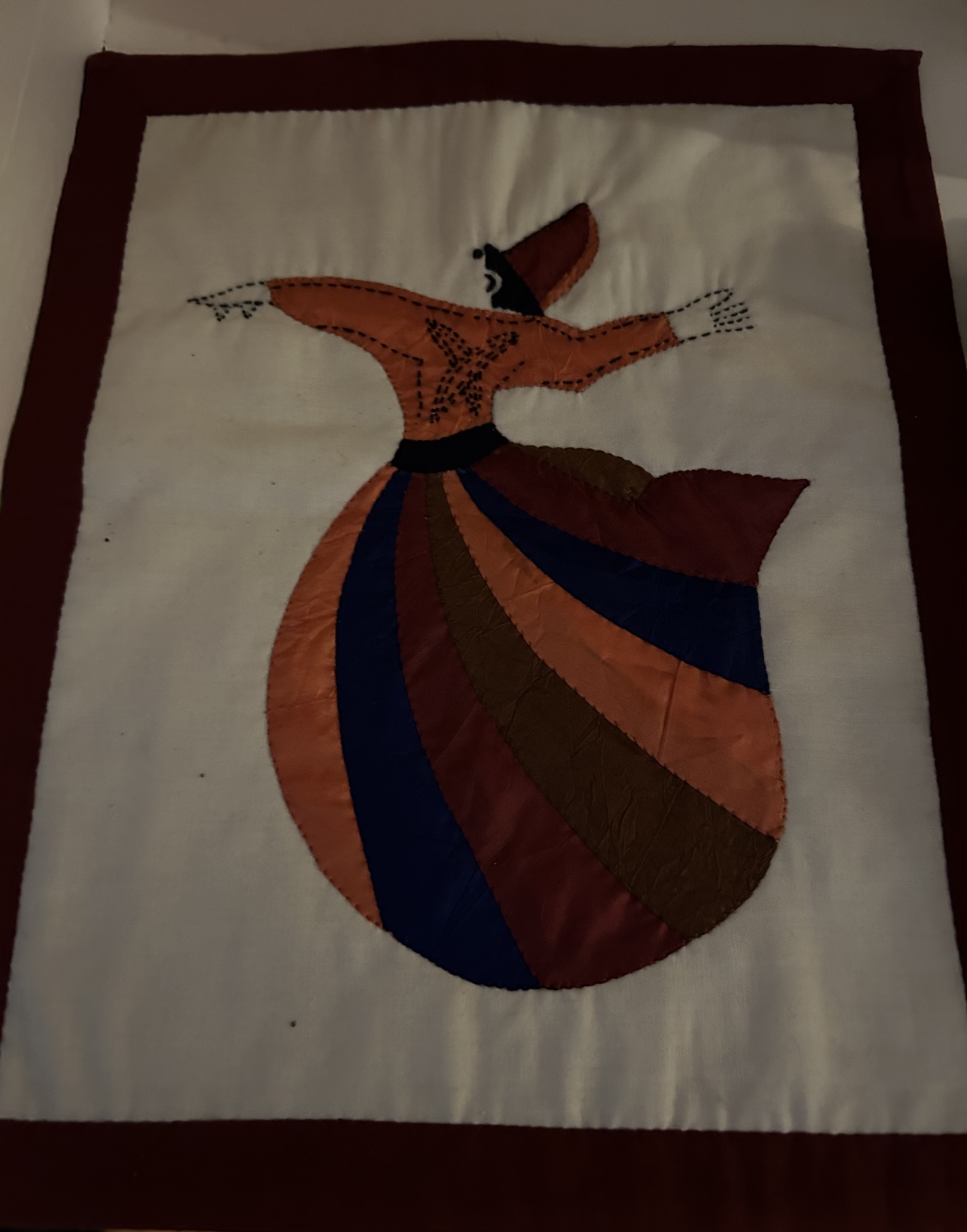
I bought this small quilt in a market in Cairo, Egypt which features a whirling Mawlawi dervish (dervish meaning “member of the order” and Mawlawi being the order). For members of the Mawlawi Order of Sufism, twirling is not only a form of dance but also a way in which they worship. These ritual dances are part of a Muslim ceremony called the dhikr which is meant to glorify God and seek spiritual perfection. These dances could be considered as a form of meditation as when the rhythm accelerates they twirl faster and faster which induces a trance like state. They do this in an attempt to lose their personal identities and attain oneness with the Almighty. This practice dates back to the 13th century with the foundation of the Mawlawi Order by Jalal Al-Din Muhammad Rumi in Konya, Anatolia.

https://www.pbs.org/video/religion-and-ethics-newsweekly-sufi-whirling-dervishes/

Relief Portrait of Suleiman the Magnificent at the US Capitol

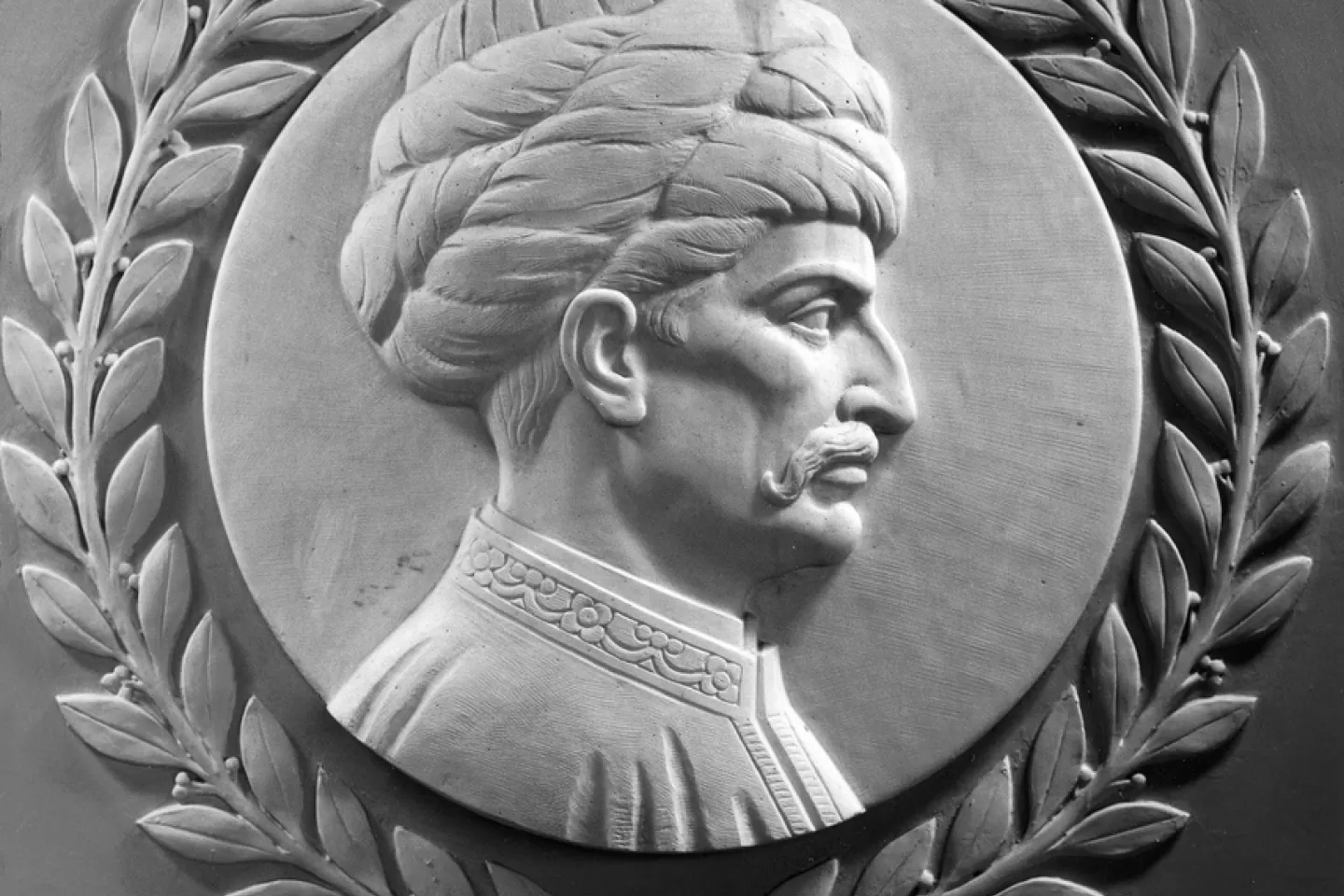
I chose the Ogier Ghiselin de Busbecq book to read over spring break, and the Ottoman Sultan Suleiman/Soleiman is a central figure in de Busbecq’s letters. The architects of the Capitol also paid homage to Suleiman as one of the “great lawgivers” of history, and included his marble relief portrait on the US House Chamber Doors. There are 23 total portraits including Hammurabi, Thomas Jefferson, Lycurgus, Moses, and another figure from the class — Maimonides.

Image Credit: https://www.aoc.gov/explore-capitol-campus/art/relief-portrait-plaques-lawgivers

Mongol Conflicts with Vietnam

This article describes the many altercations between the Mongols and Dal Viet, even discussing the fights between Kublai after the death of Mongke. Interestingly there were roughly four attempts to take over the people of Vietnam, known as the Dal Viet, but there was no success. The Mongols captured the capital, but the Dal Viet took it back when the Mongols lessened their forces to fight in China. In some of the other attempts to fight the Mongols, the Dal Viet used several techniques to stop any attempt by the Mongols; these techniques included burning supplies, taking to the mountains, and ambushes. With the lack of resources available to the Mongols, they eventually would have to pull back and leave. An attempt at an amphibious attack by the Mongols caused heavy losses, with the Mongols getting lost in the jungles and the ships destroyed by the Vietnamese. After these losses in 1288, the Mongols never tried to invade Vietnam again.

https://www.wearethemighty.com/mighty-history/how-the-vietnamese-fought-off-a-series-of-mongol-invasions/

Borj El Kebir

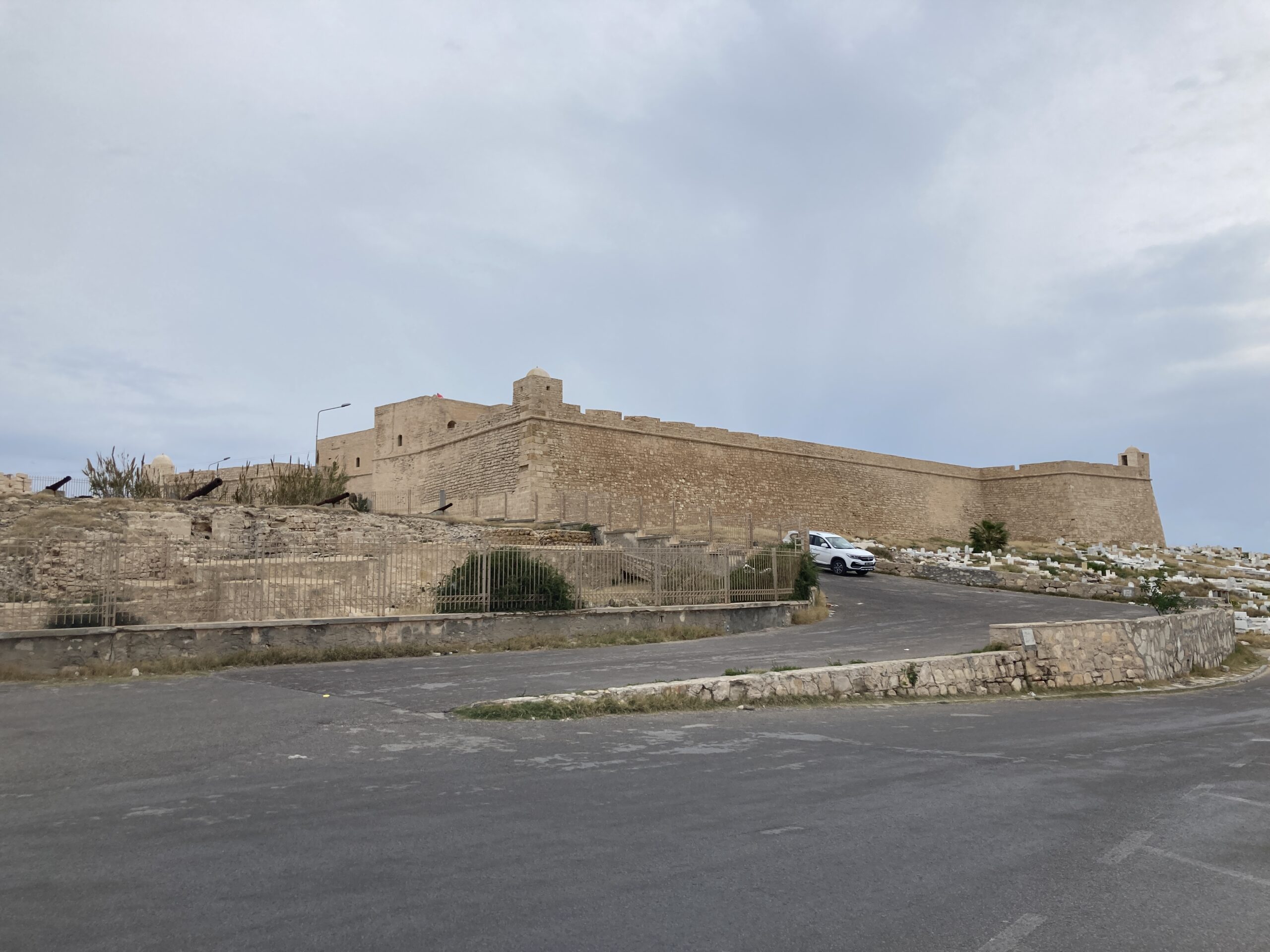
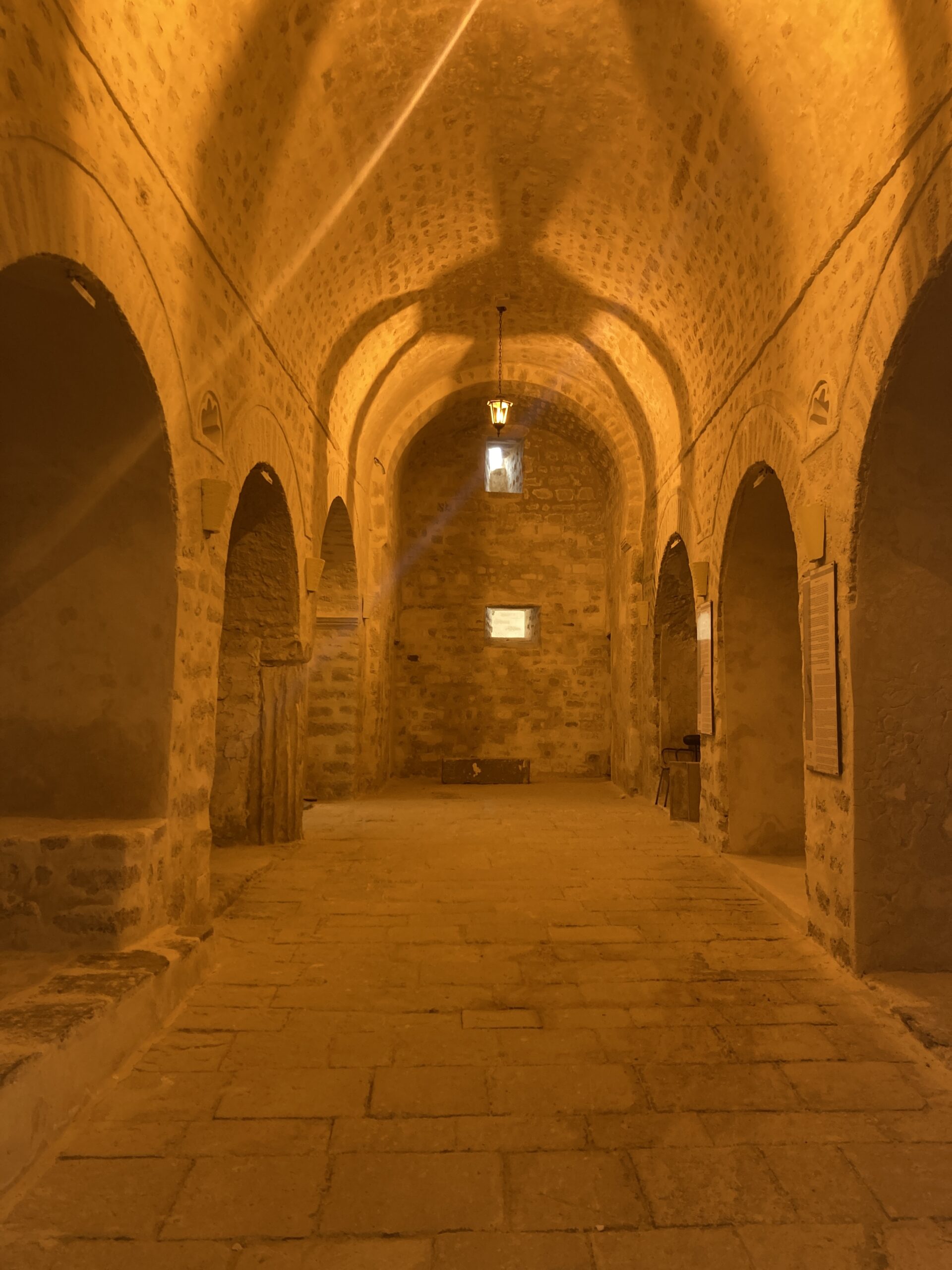
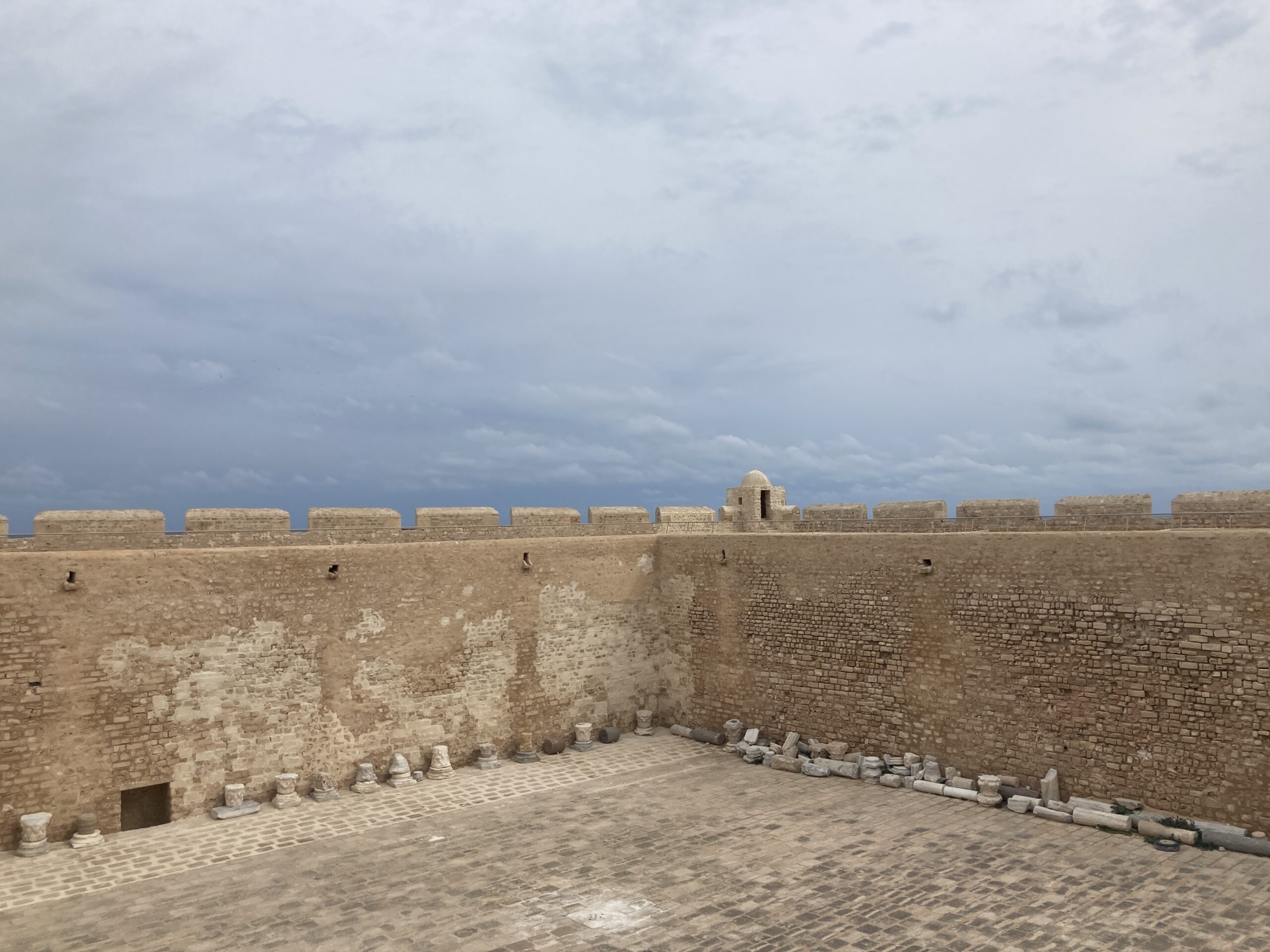
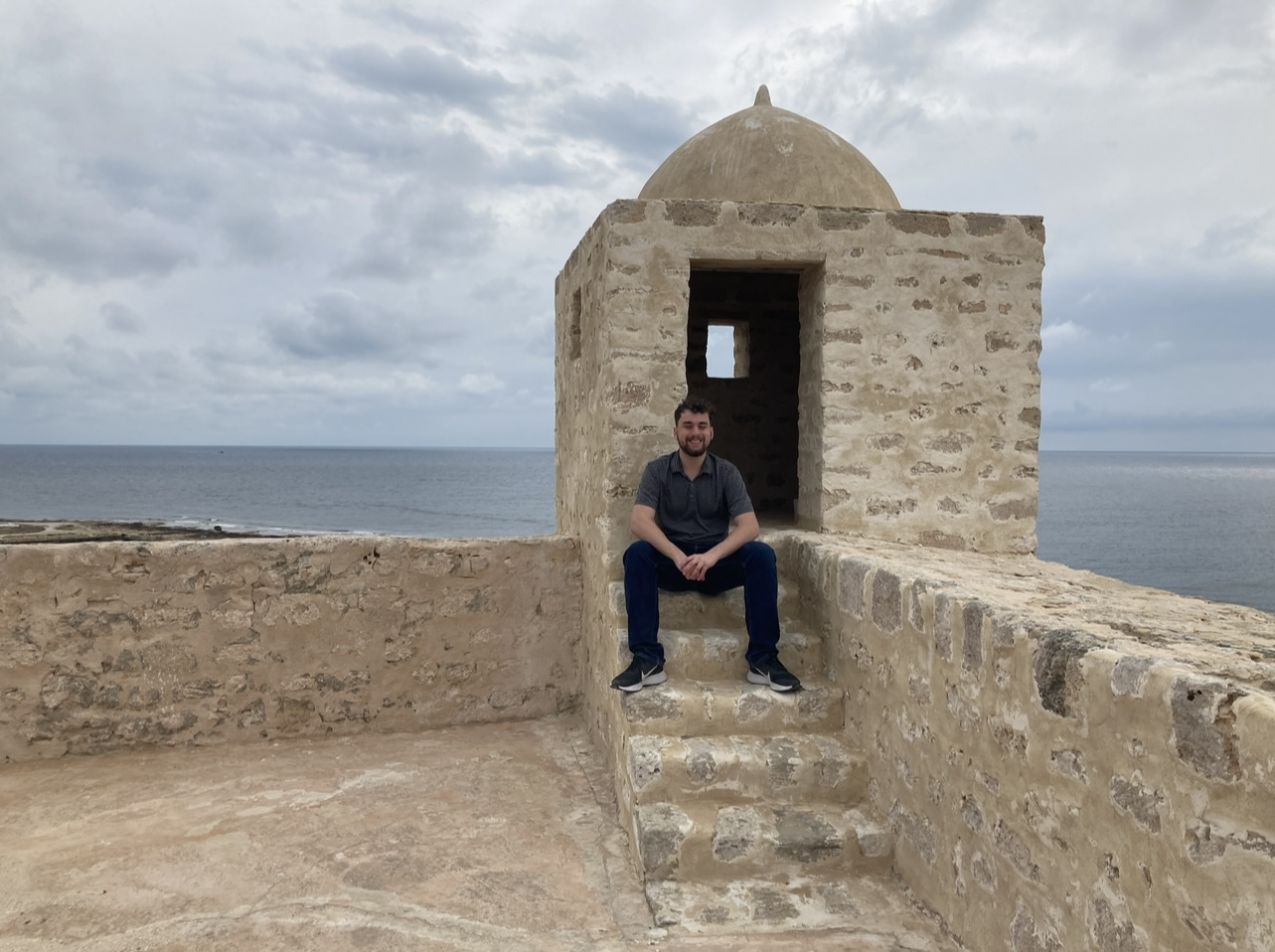
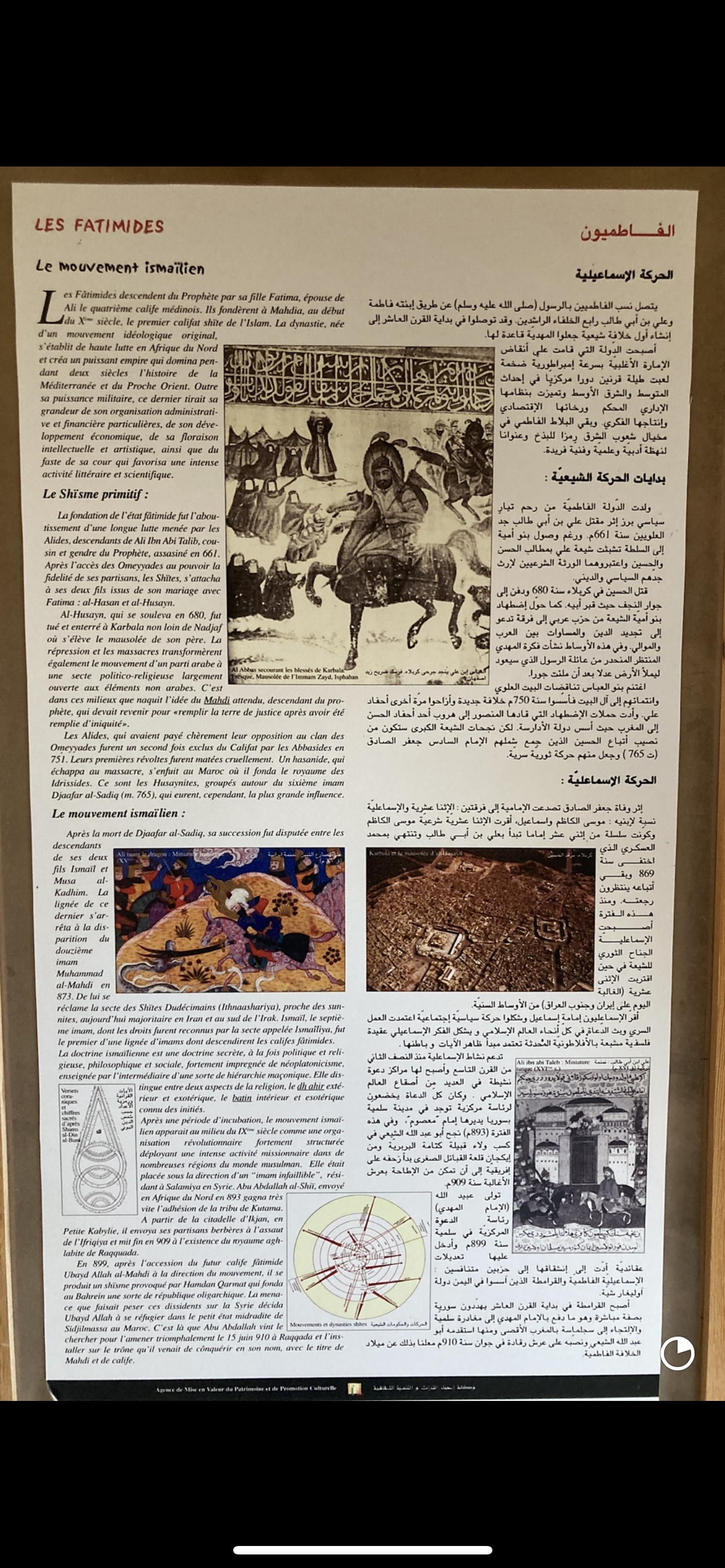
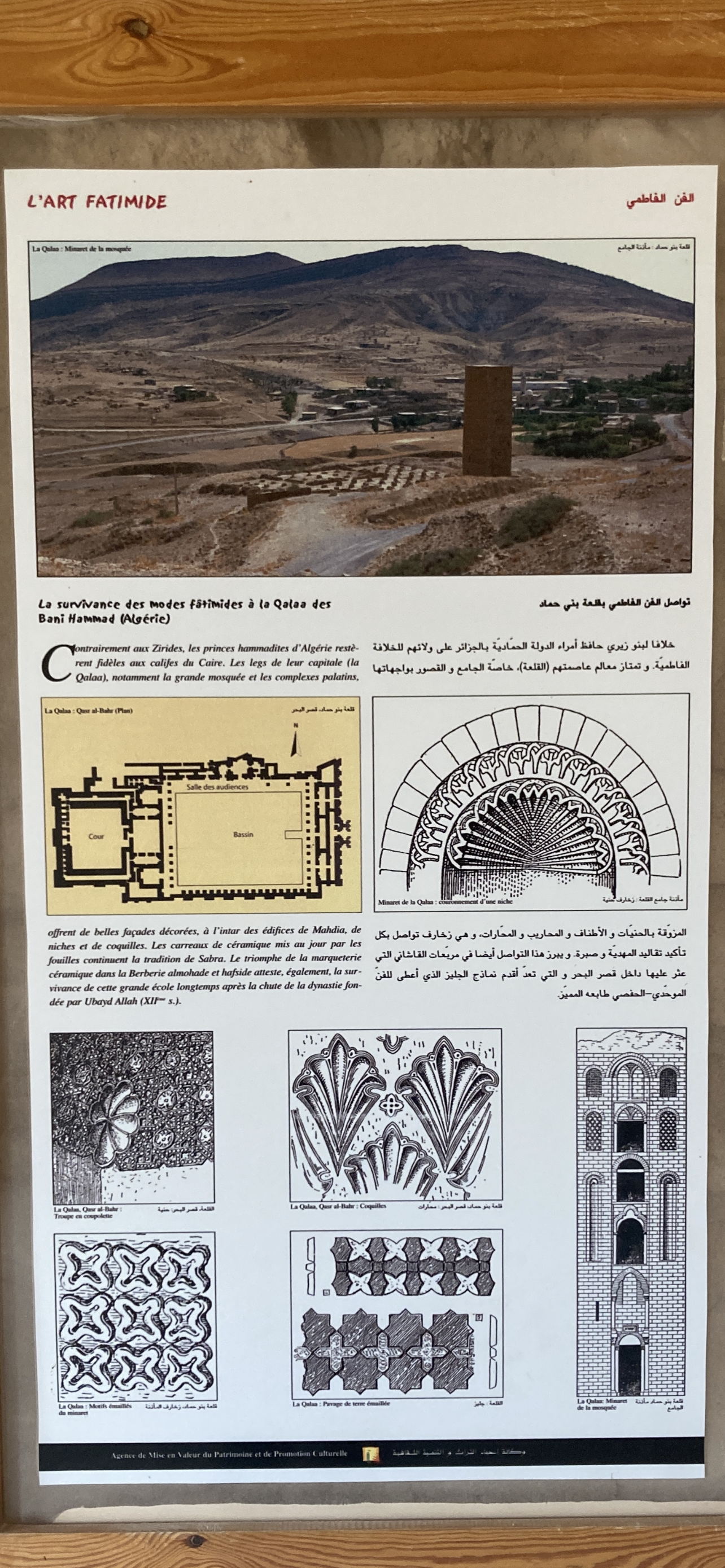
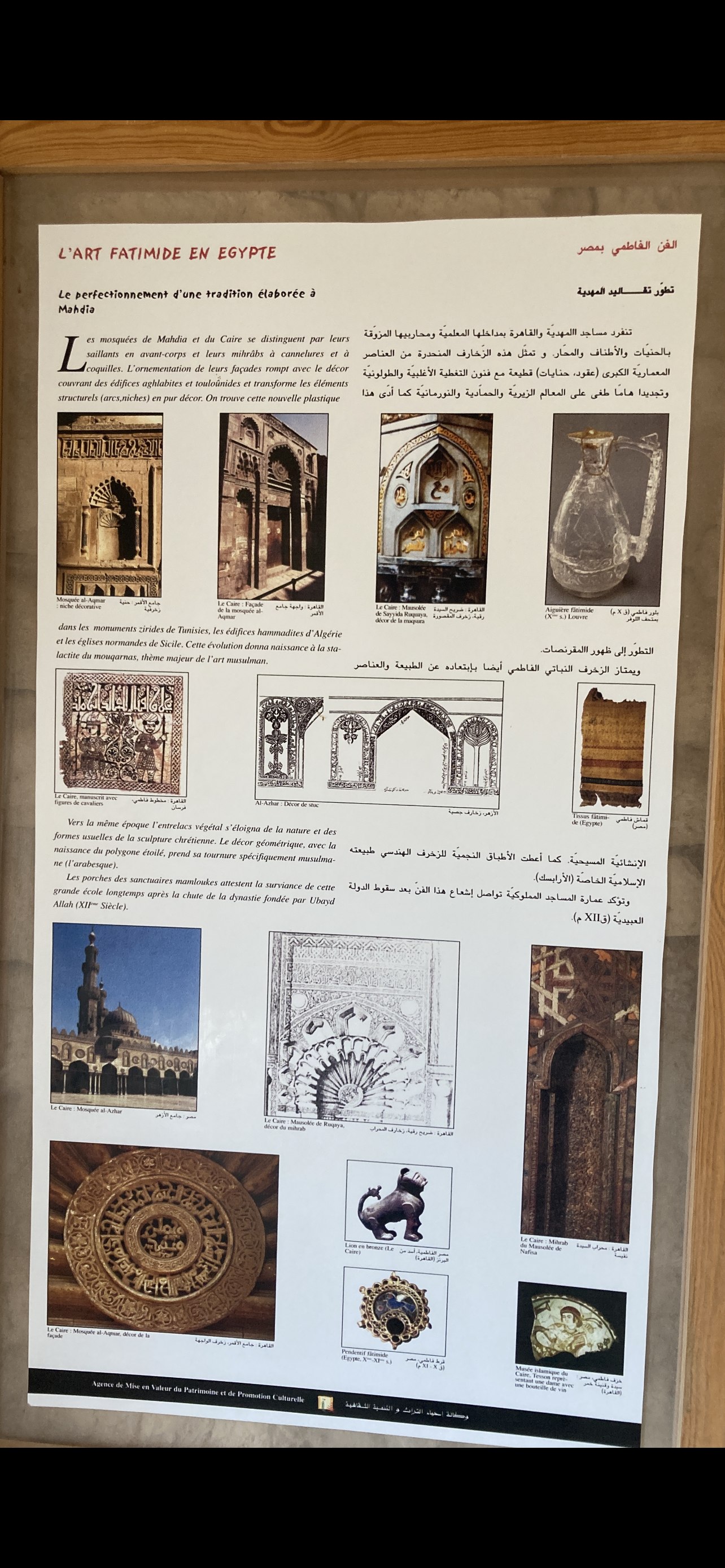
Last spring, I visited the town of Mahdia, located in modern day Tunisia. Mahdia was established by the Fatimids in 912 and made capital of Ifriqiya in 921. The town gets its name from the founder of the Fatimid dynasty, ‘Ubayd Allah al-Mahdi (Mahdi meaning rightfully guided one). While the Fatimids were primarily based in Tunisia, their caliphate stretched throughout much of North Africa and even parts of the Levant and Hejaz. As the caliphate expanded, the Fatimids moved their capital to Cairo, Egypt. The fort below, Borj El Kebir, is actually an Ottoman fort built in the 16th century on the remains of a Fatimid palace.

Lineage of Saray Mulk Khanum

This video is a brief history on Timur’s favorite wife, Saray Mulk Khanam. It isn’t in English, but there is a translation in the description. She was a direct descendent of Chingiz Khan through Chagetai Khan, as she was the daughter of the last khan of the Chagetai Khanate. The last name “Khanum” means daughter of a Khan. Timur used this as a way of legitimizing his rule and his goal of “Chingizid Restoration.” She wielded great influence in the empire and commissioned several madrasas and mosques. While there are legends of the Bibi Khanym Mosque, which we looked at in class, being commissioned for Timur’s youngest wife, it was actually commissioned and built for Saray.

« Older posts Newer posts »