Course Discussion Website

Author: wlawson

Ottoman and Mamluk Coins at the Museum of Islamic Art in Cairo

The Museum of Islamic Art in Cairo, Egypt has an impressive collection of coins from various Islamic empires, sultanates, dynasties, and caliphates. In particular they have a really fascinating collection of gold and silver coins from the Ottoman Empire and Mamluk Sultanate. Many of the Ottoman coins bear the tughra, a calligraphic monogram, signature, or seal used by the sultan. There are also Mamluk gold coins below which bear the names of Sultan Baybars and Sultan al-Mansur Qalawun.

Sufi Whirling

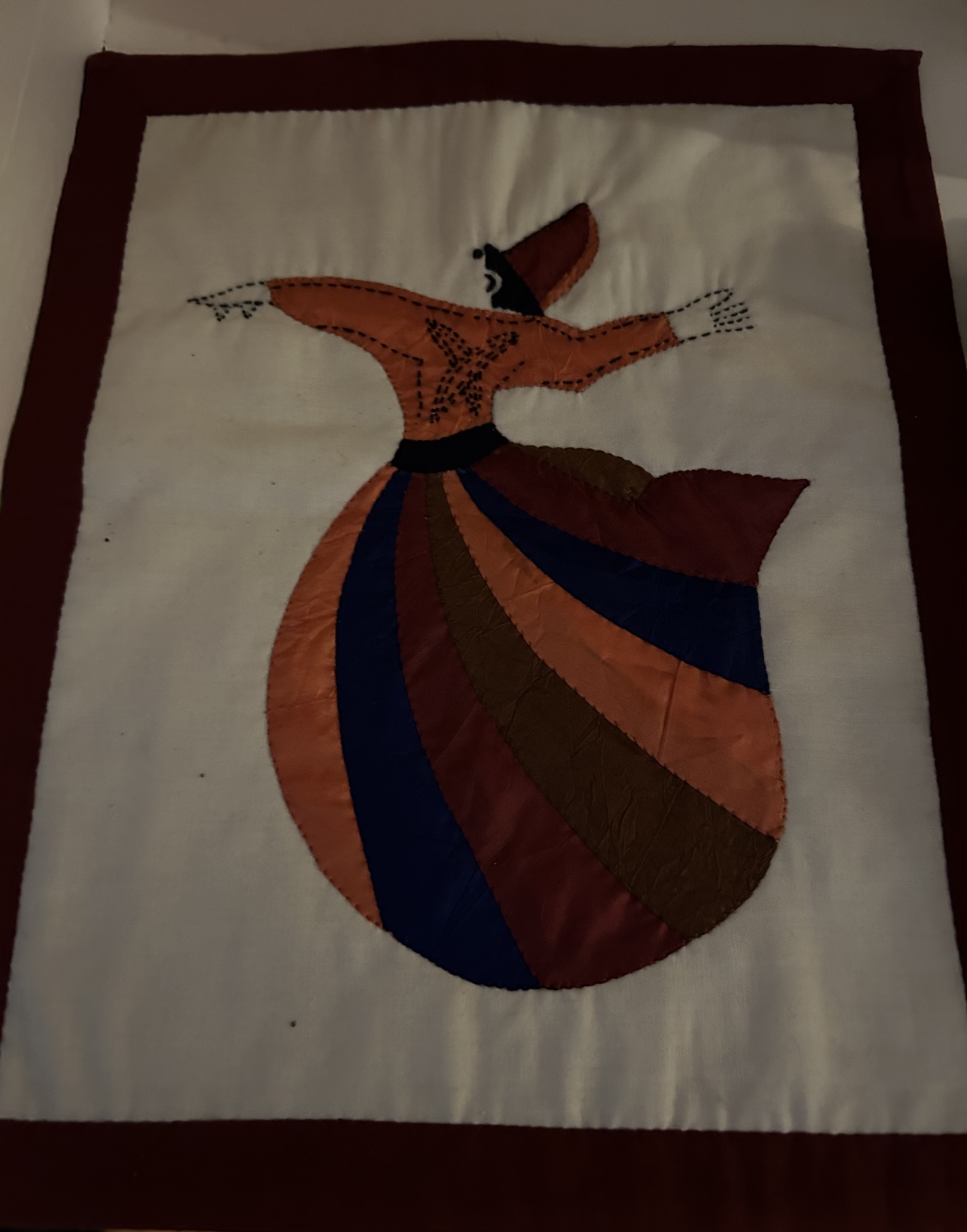
I bought this small quilt in a market in Cairo, Egypt which features a whirling Mawlawi dervish (dervish meaning “member of the order” and Mawlawi being the order). For members of the Mawlawi Order of Sufism, twirling is not only a form of dance but also a way in which they worship. These ritual dances are part of a Muslim ceremony called the dhikr which is meant to glorify God and seek spiritual perfection. These dances could be considered as a form of meditation as when the rhythm accelerates they twirl faster and faster which induces a trance like state. They do this in an attempt to lose their personal identities and attain oneness with the Almighty. This practice dates back to the 13th century with the foundation of the Mawlawi Order by Jalal Al-Din Muhammad Rumi in Konya, Anatolia.

https://www.pbs.org/video/religion-and-ethics-newsweekly-sufi-whirling-dervishes/

Borj El Kebir

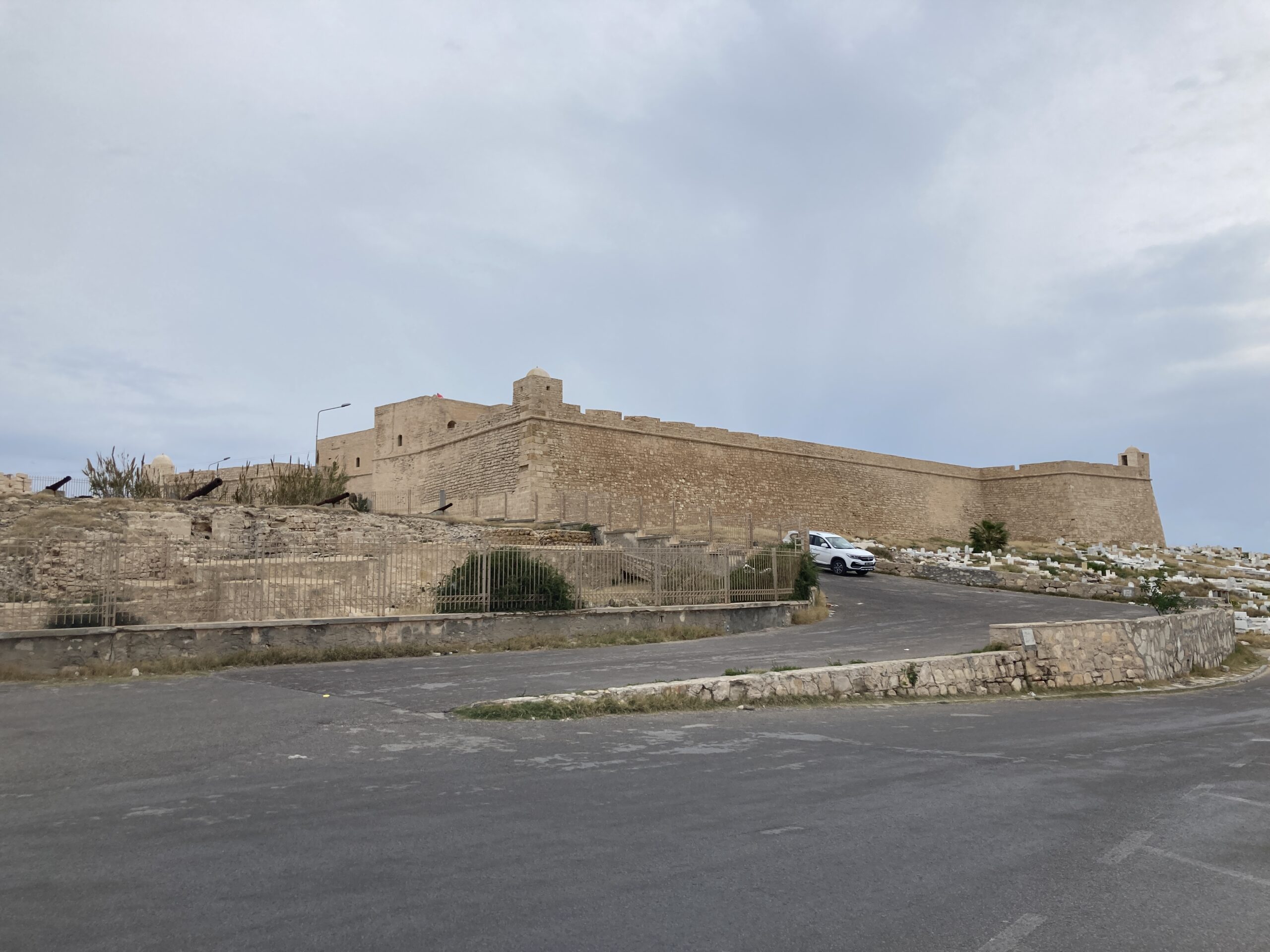
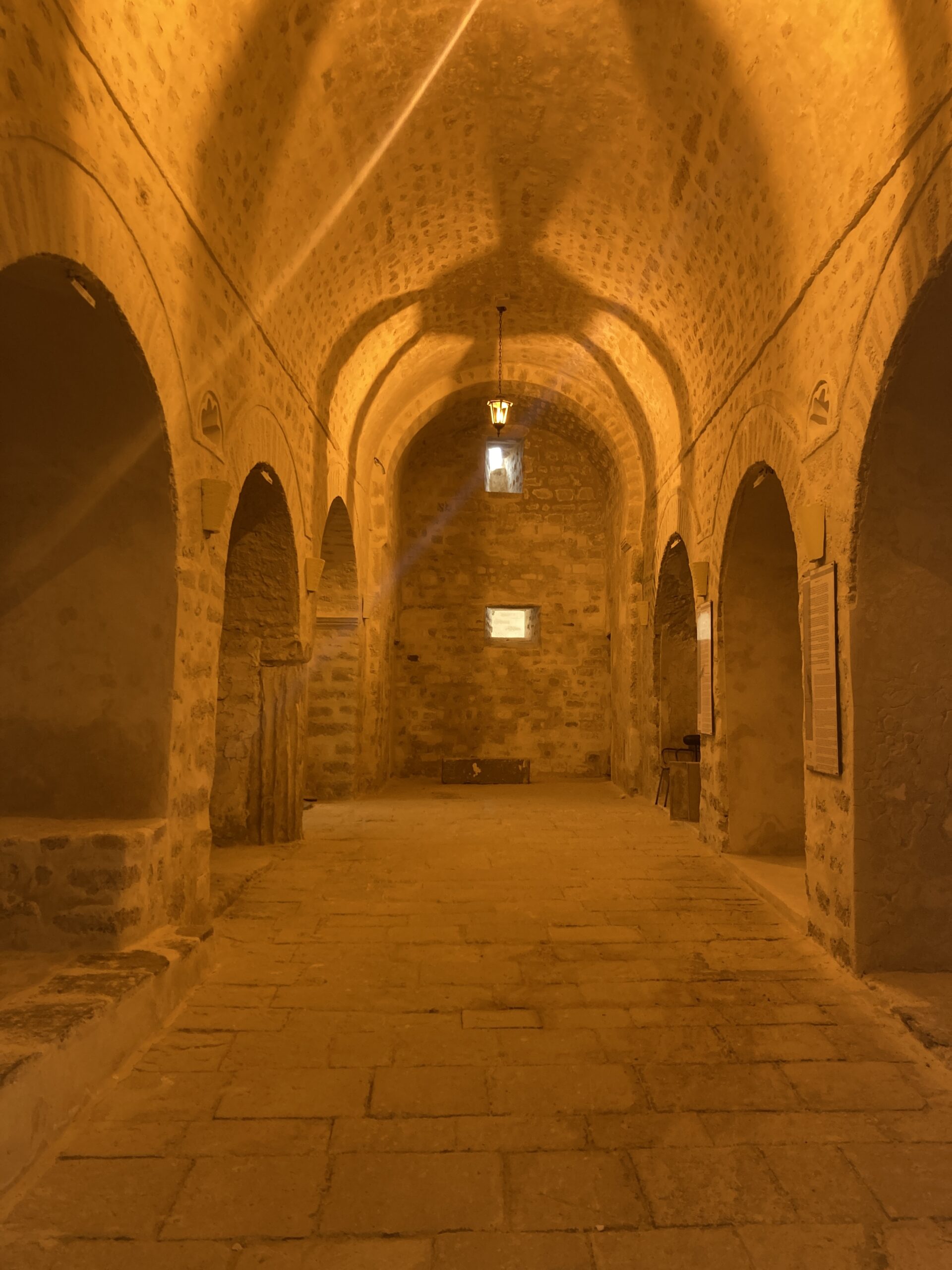
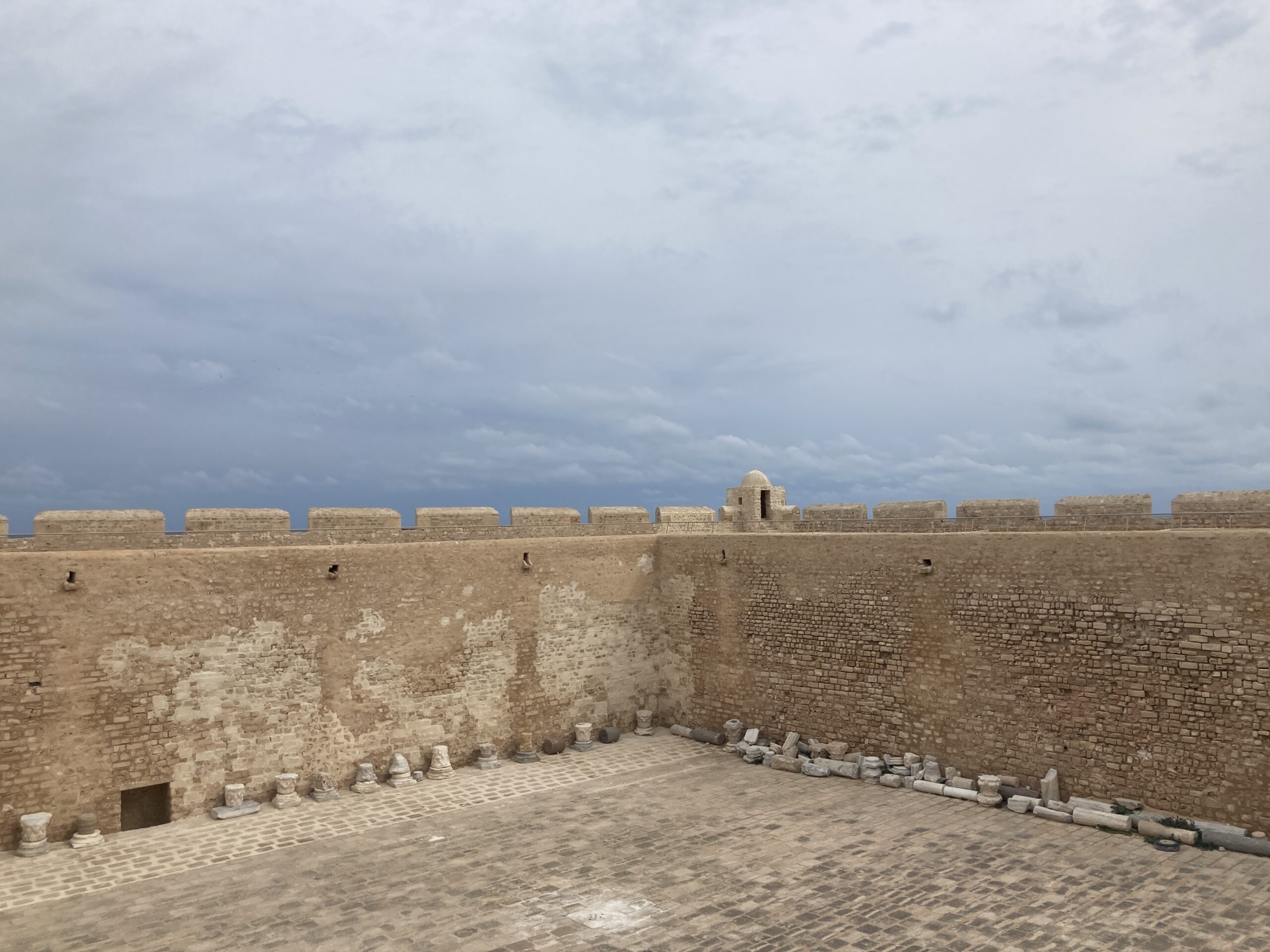
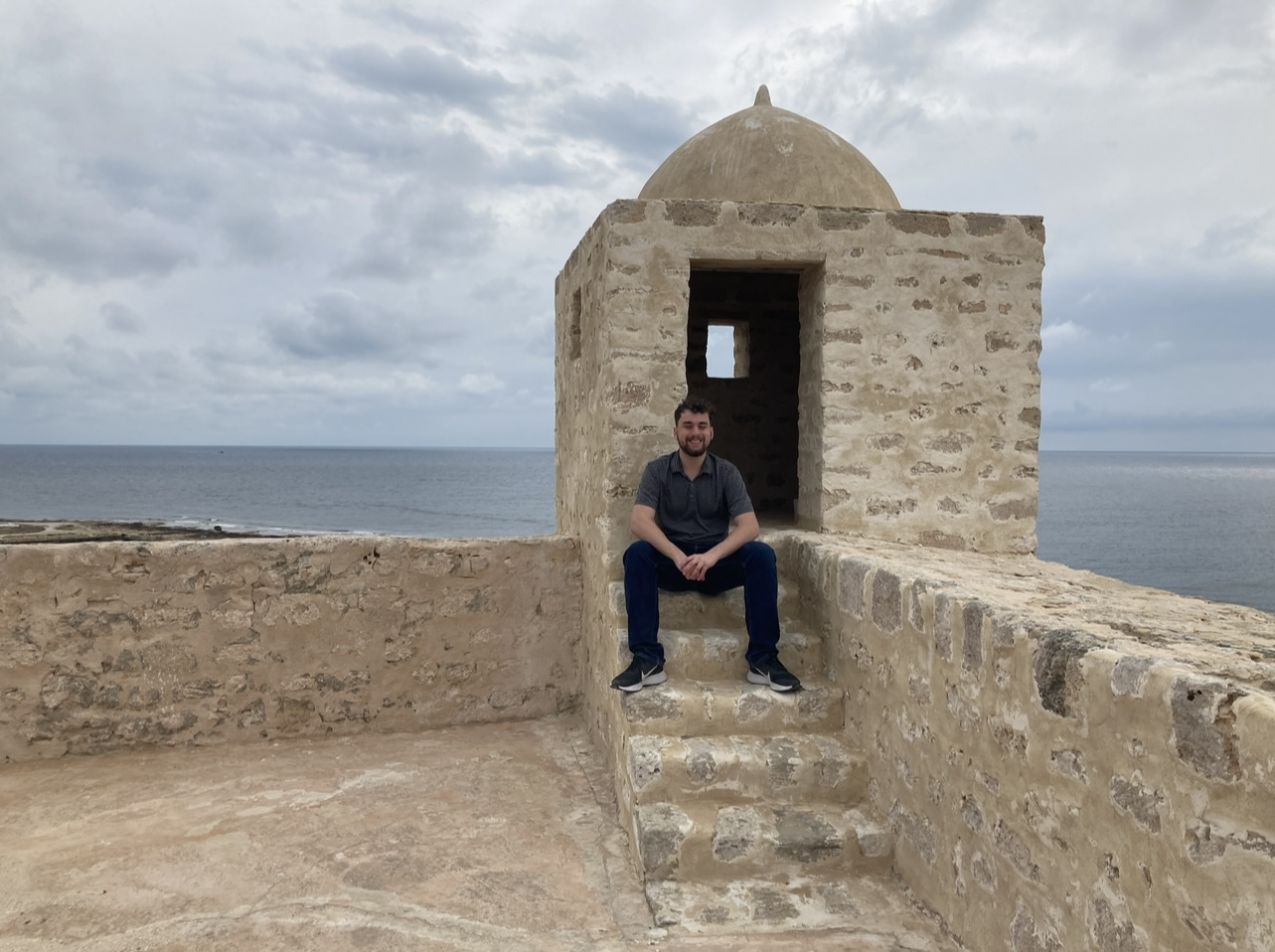
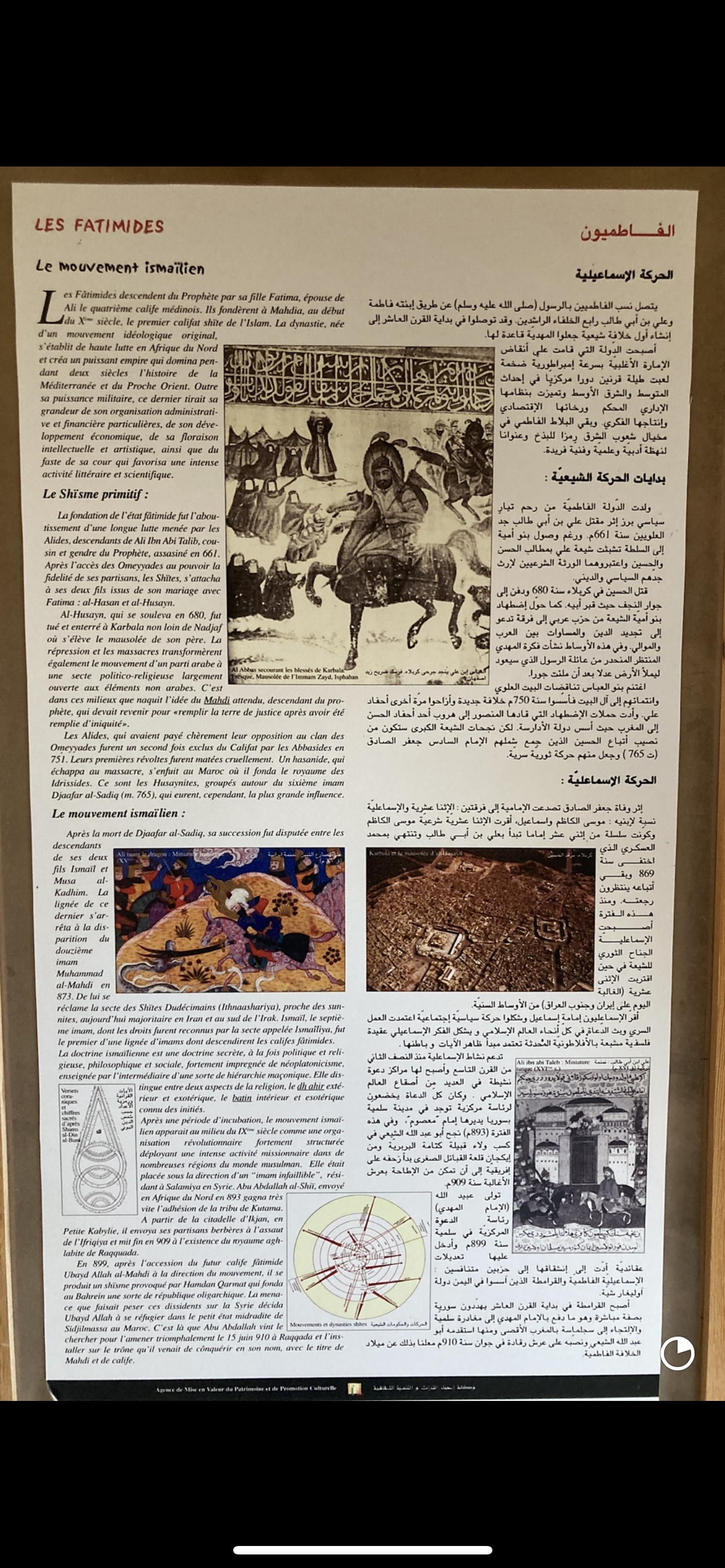
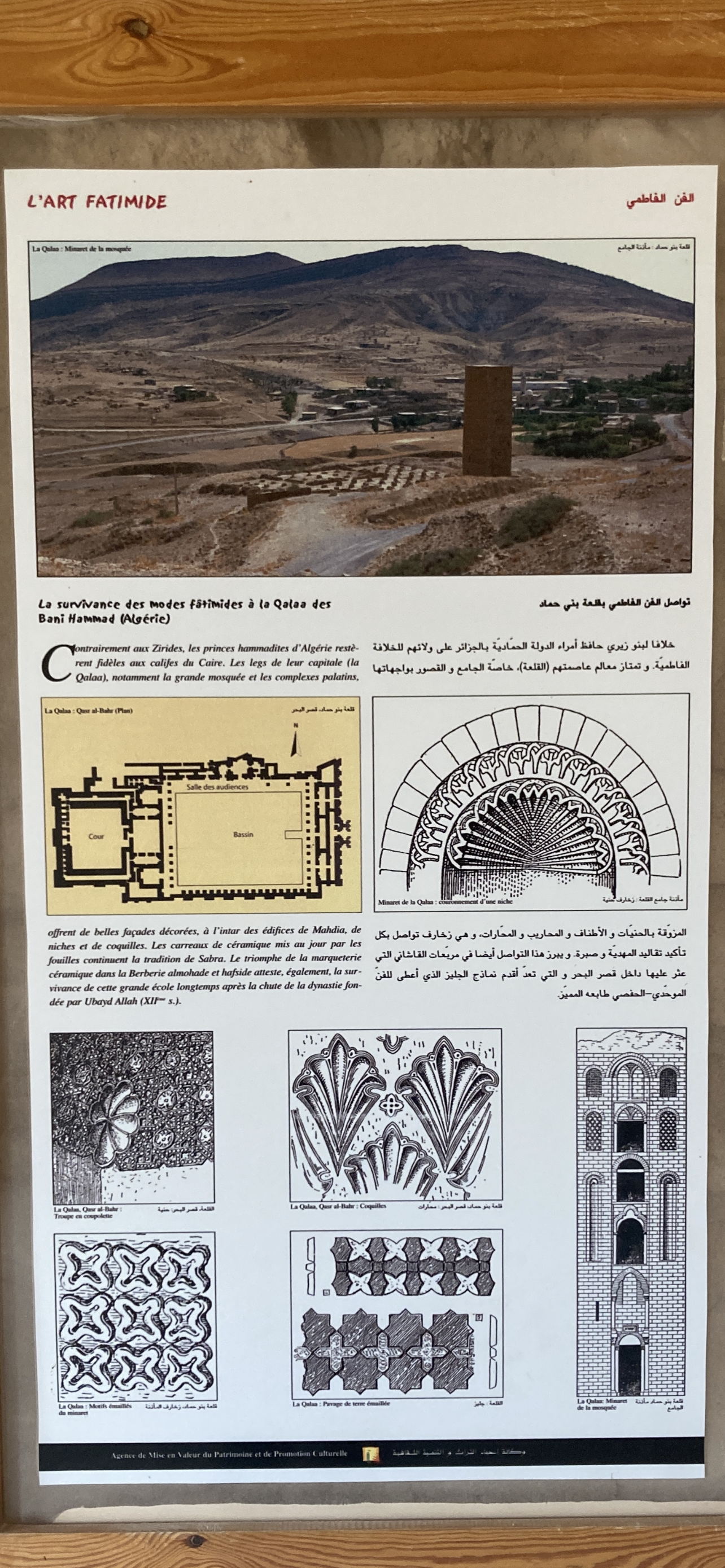
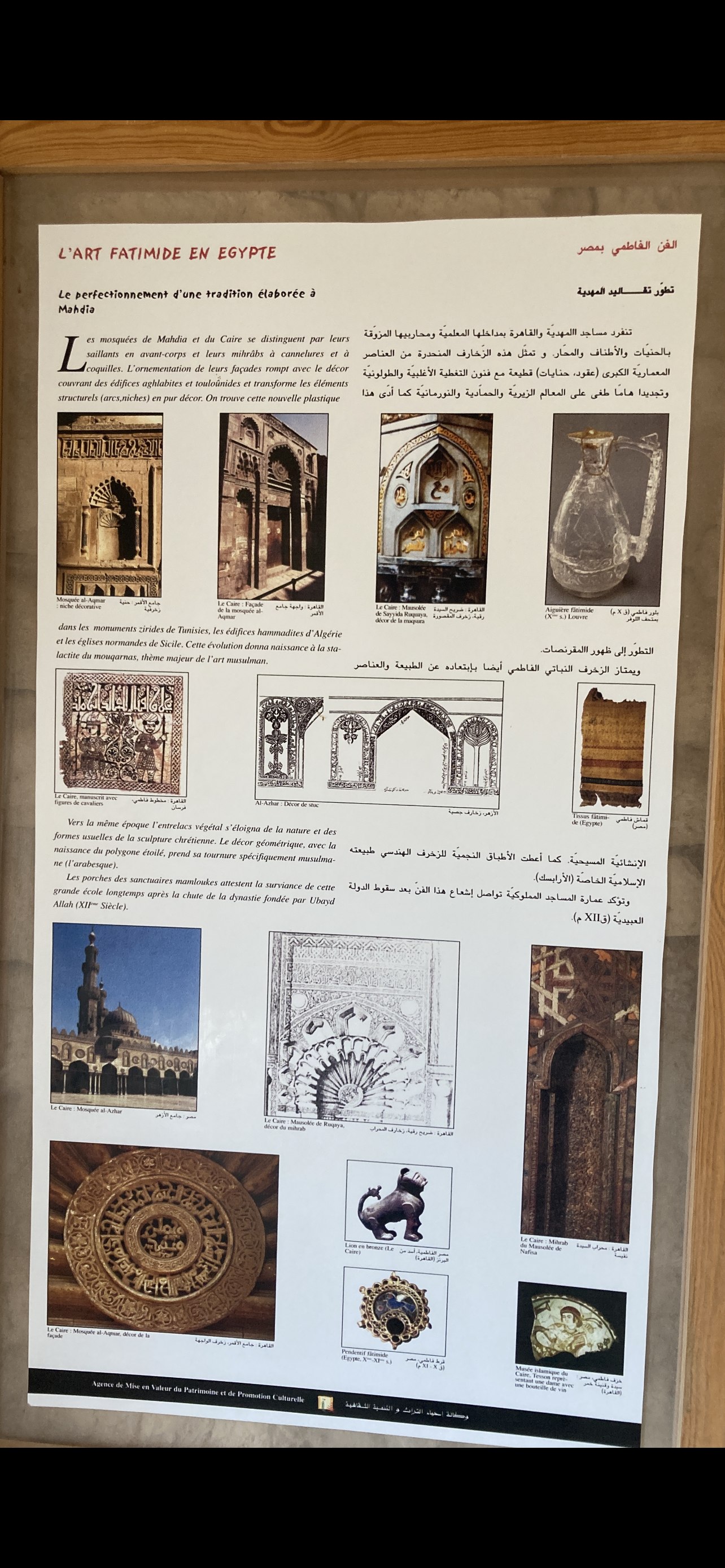
Last spring, I visited the town of Mahdia, located in modern day Tunisia. Mahdia was established by the Fatimids in 912 and made capital of Ifriqiya in 921. The town gets its name from the founder of the Fatimid dynasty, ‘Ubayd Allah al-Mahdi (Mahdi meaning rightfully guided one). While the Fatimids were primarily based in Tunisia, their caliphate stretched throughout much of North Africa and even parts of the Levant and Hejaz. As the caliphate expanded, the Fatimids moved their capital to Cairo, Egypt. The fort below, Borj El Kebir, is actually an Ottoman fort built in the 16th century on the remains of a Fatimid palace.