During the Mongol lecture last week, we viewed a picture of the Khan family tree. However, there was a clear absence of daughters in the tree. I was curious about whether Genghis Khan truly didn’t have any daughters or if they were omitted from the family tree. As it turns out, he did have daughters. I found a book titled, The Secret History of the Mongol Queens: How the Daughters of Genghis Khan Rescued His Empire, that discusses these influential women. While I haven’t had the chance to read the book in its entirety, I briefly skimmed the introduction and learned some interesting things. During class, The Secret History of the Mongols was cited as one of the most important and influential sources about Genghis Khan and his empire. In the introduction of the book on his daughters, the author mentions through oversight or malice, the section of The Secret History that recorded the words of Genghis Khan and gave shape to the governments that followed his death had been tampered with. The sentence before the mutilated text reads, “Let us reward our female offspring.” The preceding text bestowed various rewards upon Genghis Khan’s male relatives. It is thought that the destroyed information was meant to relay similar information towards his female offspring. The author goes on to mention how the names of influential Khan women have been deliberately struck from history. The purpose of the book is to restore the missing stories of these erased women.
Page 5 of 31
Abu al-Faraj Muhammad ibn Ishaq ibn Muhammad ibn Ishaq ibn al-Nadim, also known simply as Ibn al-Nadim (935-95 AD), was an Arab author, bookseller, and calligrapher. He lived in Baghdad, and briefly in Mosul, during the middle Abbasid era and, like his father, made a living from copying manuscripts for sale. Al-Fihrist, sometimes also referred to as Kitab al-fihrist (The catalog), is an index of all books written at the time in Arabic, by both Arab and non-Arab authors. It contains ten discourses. The subjects they cover are the scriptures holy to Muslims, Jews, and Christians, the hadith, history, law, biography, poetry, magic, and alchemy. The author often mentions the size of a book and the number of pages so copyists would not cheat buyers by creating shorter versions. He refers often to copies made by famous calligraphers, bibliophiles, and other libraries and describes an auction and the trade in books. The Catalog is available to the public via the Library of Congress. https://www.loc.gov/item/2021666186
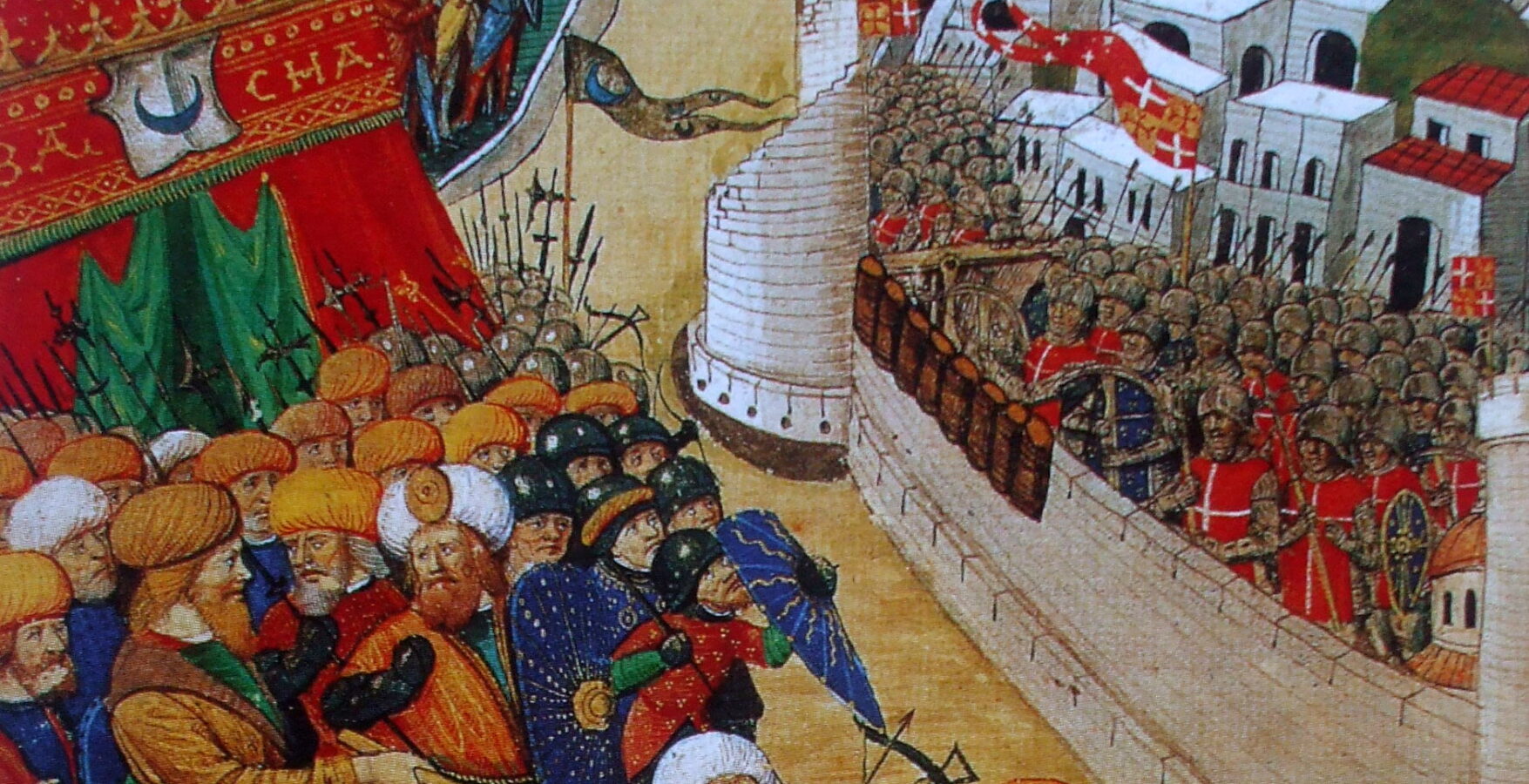
Between June and December 1522, the Ottoman military besieged the island of Rhodes in an attempt to take dispel the Knights of Rhodes from the island, and to consolidate their control of the Mediterranean. After months of fighting, Rhodes eventually accepted Suleiman’s terms of surrender and the remaining Knights were allowed to leave the island.
https://greekcitytimes.com/2021/06/26/on-this-day-siege-of-rhodes-1522/
After the Hagia Sophia was converted back into a mosque in 2020, the entrance fees that had been charged when it was functioning as a museum were removed. The number of tourists that visited the building increased dramatically as a result, to the point where it was too crowded to properly lead tours, and there was a risk of damage to the historic site.
In February, a second entrance was opened specifically for tourists, who once again are required to pay an entry fee, and are prohibited from visiting certain parts of the building, including the main floor under the dome.
Trying to juggle the Hagia Sophia’s dual roles as a heritage tourism site and a functioning place of worship has led to a number of issues and conflicts, making it clear that it’s impossible to fulfill both roles perfectly at the same time.
https://www.lonelyplanet.com/news/istanbul-hagia-sophia-entry-rules
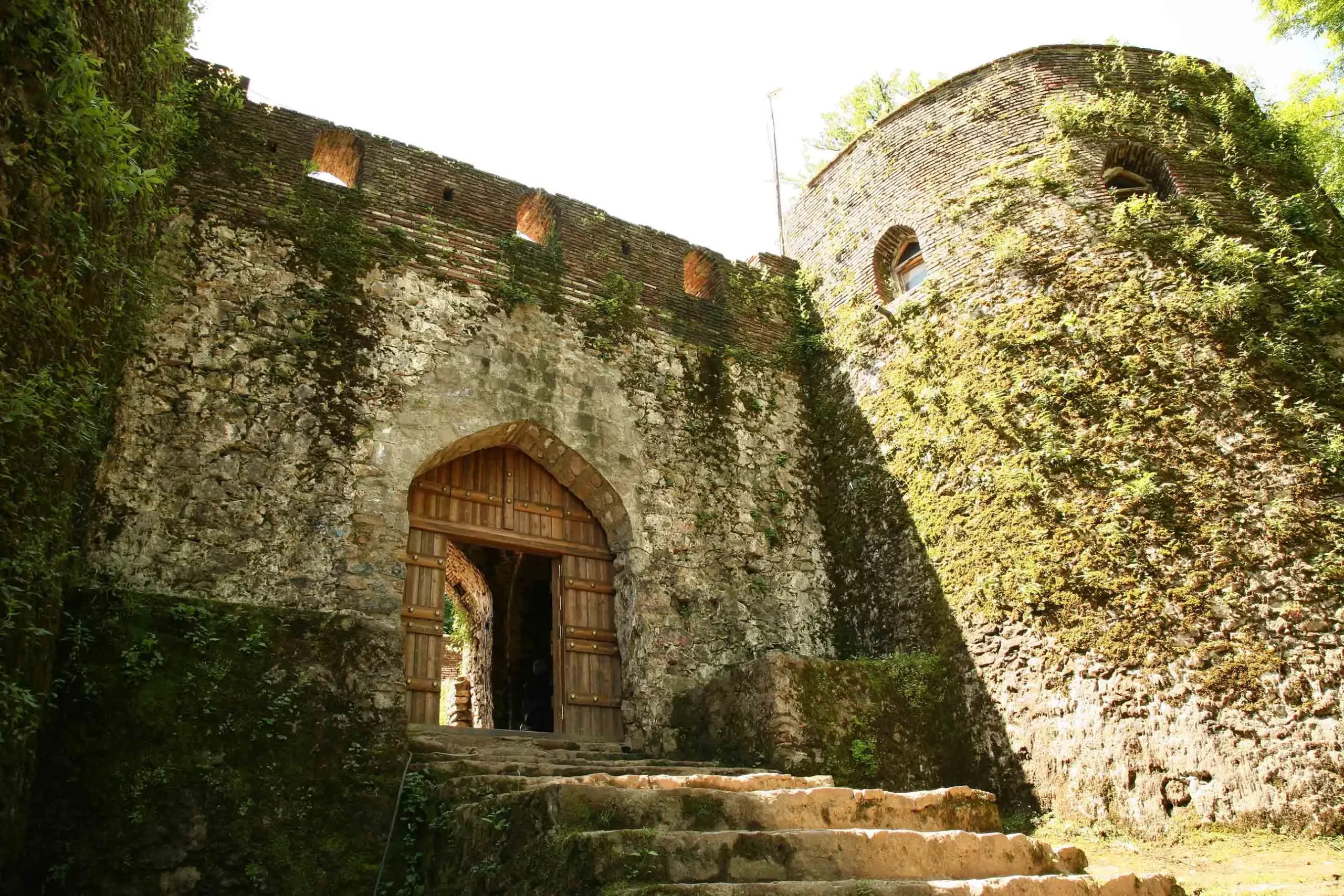
The Alamut Castle was originally built in the 7th century by Zaydi Muslims, its name literally meaning “the Eagle’s nest”. It went through many different periods of captures, rules, and generations of Ismailis, before eventually falling out of significance sometime in the 13th century. Since then, the castle itself has greatly deteriorated and fallen into ruins, though “the Rock of Alamut” and various sections of the castle remain as a popular tourist attraction in Northern Iran.
Alamut: The Secret Fortress of the Assassins | by Discover Iran | Medium

Eclipses in Islam have a long recorded history, dating all the way back to before the time of Prophet Muhammad. There was an eclipse during Muhammad’s life and on that day his infant son, Ibrahim, died. Muhammad declared that the eclipse did not kill his son, denouncing the astrology of the day, and instead instructed his followers to say a “prayer to the eclipse” (şalat al-kusūf). Eventually, in 1431, astronomers became advanced enough to predict when the next eclipse would happen. They ran through the streets telling everyone that there would be an eclipse and that they should start fasting, however when the sky did not turn black, these men were denounced. They would later learn that these predictions were correct but Cairo only had 45% coverage, so the light wasn’t noticeably obstructed. These predictions are remarkable becuase they were able to go far with such (relatively) simple equipment
Source: Tārīkh-e ‘Elm: Iranian Journal for the History of Science, 6 (2008), pp. 75-82, Solar Eclipses in Medieval Islamic Civilization: A Note on Cultural and Social Aspects
http://www.metmuseum.org/toah/hd/otto1/hd_otto1.htm
If you’re interested in art history (or just want to get a better idea of what the material culture of some of the groups we’ve talked about!) the Met’s Heilbrunn Timeline of Art History has a bunch of great essays that give a quick introduction to the art of a period, as well as giving some examples. The link above goes to their essay on The Art of the Ottomans before 1600, and if you scroll to the bottom of the page there are a bunch more essays for different periods of Islamic history! Additionally, if you want to dig deeper, there’s a section labelled “Further Reading” that will give you some more books or articles to check out!
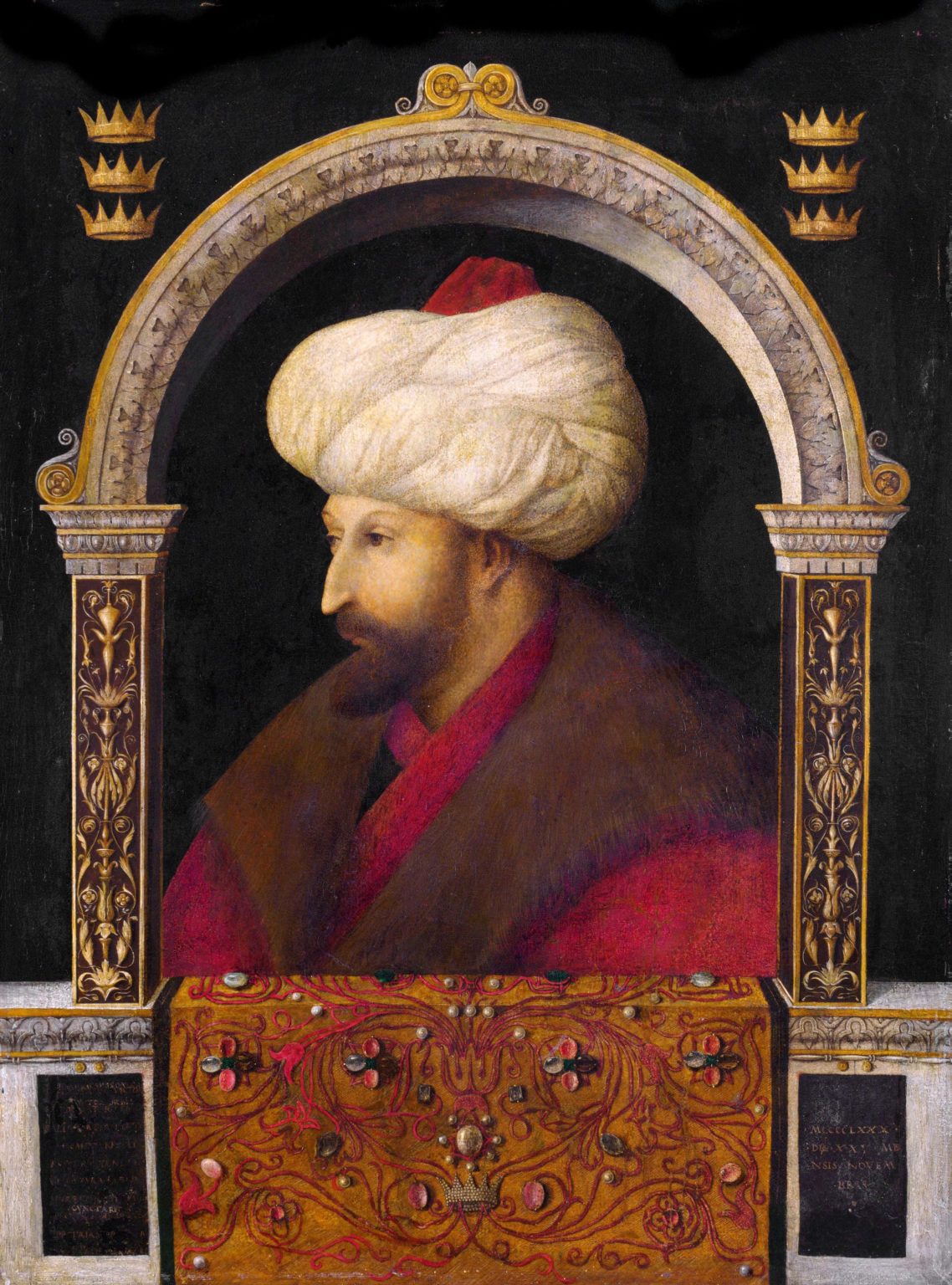
Gentile Bellini, Portrait of Sultan Mehmed II, 1480, oil on canvas
I read this article last semester in my Italian Renaissance Art class when we were talking about taking a more global approach to early modern art. This painting was painted by Gentile Bellini, a Venetian painter who served as a court painter for Mehmet II.
It specifically talks about two of his books, Bustan (Garden) and Golestan (Flower Garden), and the application of their stories in a modern world. His style is described as “honeyed medicine”, because he writes beautiful stories that communicate important morals and ideals.
Link:
https://www.bbc.com/culture/article/20200622-a-13th-century-persian-poets-lessons-for-today