The art of carpet weaving in Persia can be traced back to ancient times, with evidence of carpet fragments found in archaeological sites dating back to the 5th century BC. However, it was during the Safavid dynasty in the 16th century that Persian carpets reached their peak in terms of design and craftsmanship.
Origins and Early Development: Persian carpets, also known as Iranian rugs, have a rich history that dates back 2,500 years. They were initially developed by Persian nomads as a practical necessity to guard against the cold and damp floors. The earliest recorded mention of these illustrious carpets goes back to the Achaemenid Dynasty, around 500 BC. The ancient Greek historian Xenophon documented their luxuriousness and ability to enhance the opulence of Persian homes in his book “Anabasis”.
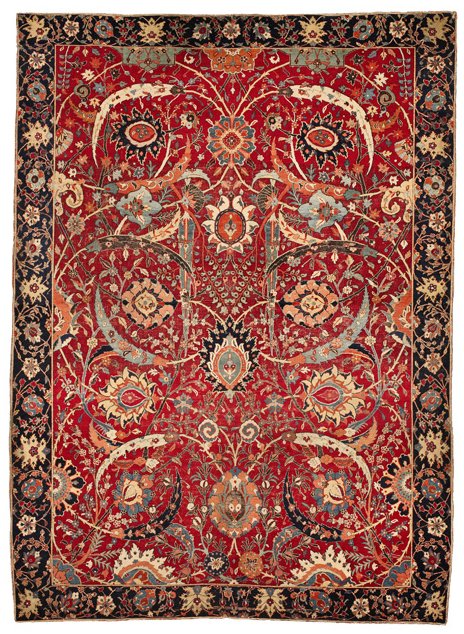
Safavid Dynasty (16th Century): The Safavid period marked a golden era for Persian carpets. These exquisite textiles were produced in court manufactories in cities like Isfahan. Safavid carpets are famous for their elaborate colors and artistic designs. They are treasured in museums and private collections worldwide. The variety and elaborateness of Persian carpet designs set them apart from other Oriental rugs. They reflect the history of Iran, Persian culture, and its diverse peoples.
Weaving Techniques and Materials: Carpets woven in towns and regional centers like Tabriz, Kerman, Isfahan, and Kashan are characterized by specific weaving techniques and high-quality materials. Nomadic and small village weavers produce rugs with bold designs that are considered the most authentic and traditional rugs of Persia. Gabbeh rugs are well-known examples of this tradition.
Decline and Revival: Carpet weaving faced periods of decline due to political unrest and commercial pressures. The introduction of synthetic dyes in the 19th century had an impact. However, town manufactories like those in Tabriz played a crucial role in reviving the tradition after the decline phases.
In summary, Persian carpets are not just textiles; they embody centuries of creativity, ingenuity, and cultural significance in Iran. Their intricate patterns and vibrant colors continue to captivate admirers worldwide.
Leave a Reply
You must be logged in to post a comment.